Alio
Close the circle between a caregiver's visit and a family's ability to act.



Alio is an AI copilot for elder care. It helps in-home caregivers turn spoken visit notes into structured reports, then sends the right signals to adult children who are managing care from another city.
What difference can it make?
Elder care is full of small signals: a fever that does not break, less food than usual, a missed pill, a change in walking. Families often hear about these moments as loose text updates, too late to understand the pattern.
The information was there. It just never reached the family in a way they could act on.
Why did we build this?
Care does not fail only because people are absent. It fails when information loses urgency.
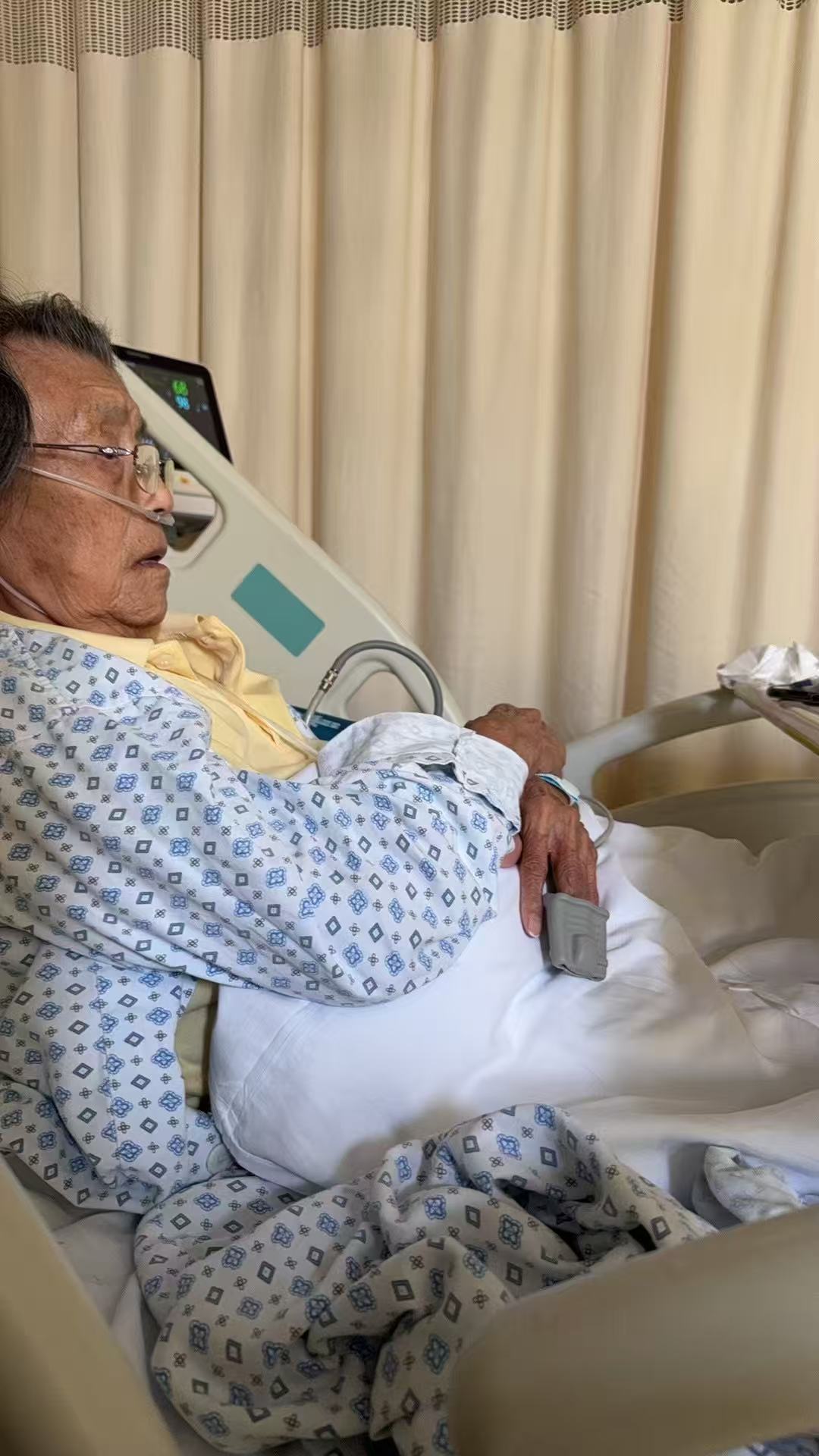
A year ago, my grandmother fainted alone in her bathroom with a dangerously high fever. A caregiver had been with her that day, but the family update was vague. Nobody understood how serious it was until after she collapsed.
That moment shaped Alio. We were not trying to make another health dashboard. We were trying to make the everyday handoff between caregiver and family harder to ignore, easier to review, and faster to act on.
What did the data tell us?
We treated the problem like a communication system, not a single screen. Across the caregiver, elder, and family member, the same breakdown repeated: someone saw something, but the next person received a weaker version of it.
A real update might sound like, "She seemed off today and barely ate." The product had to translate that into structure without forcing caregivers to write clinically.
The adult child needs to know what changed, what needs attention, and whether a doctor should be contacted soon.
Reports, prescriptions, lab results, and visit history need to stay connected, so the family can ask better questions later.
What can we do?
We formed one simple hypothesis: if a caregiver can speak naturally and Alio can turn that visit into a structured, reviewed, family-readable report, then families can see risks sooner without adding documentation work to the caregiver's day.
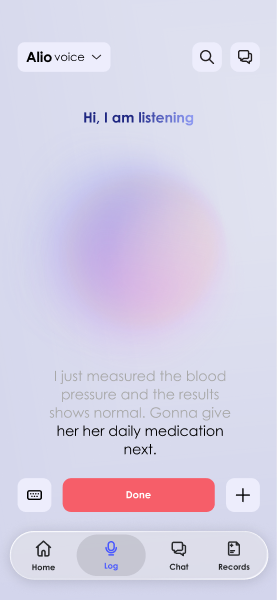
Voice-first logging for caregivers after each visit.
Gemma extracts vitals, mood, meds, observations, and severity flags.
The caregiver confirms before anything is sent.
The report appears in chat, records, and AI Q&A context.
Information architecture
The IA separates responsibilities without splitting the story. Caregivers focus on visits and communication. Families focus on status, records, chat, and asking questions. Gemma sits between them as a translator, not a replacement for clinical judgment.
Caregiver portal
- Patient schedule
- Arrival and service status
- Voice visit log
- Generated report review
- Send notes to family
AI layer
- Speech transcript
- Structured report
- Severity flags
- Record extraction
- Family Q&A with context
Family portal
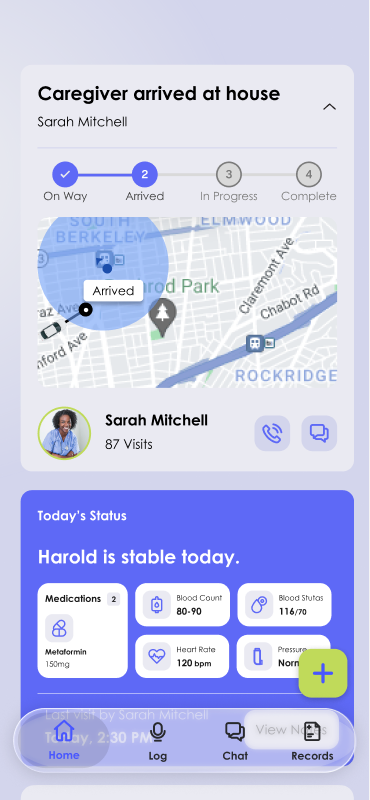
- Caregiver status
- Today's health snapshot
- Chat and report cards
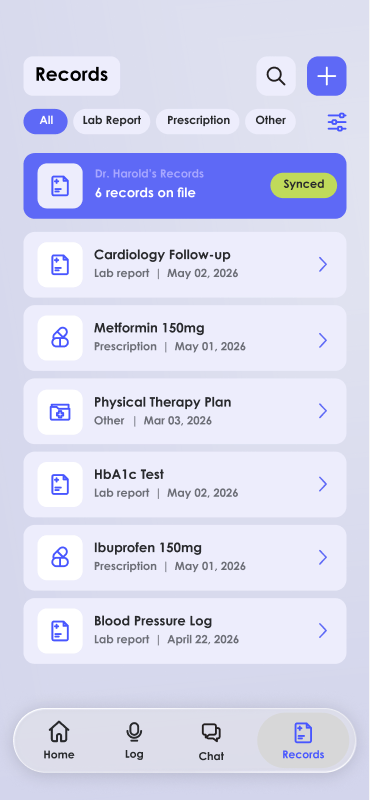
- Medical records
- AI check-in
Prototyping
The prototype is a two-sided loop, not a set of isolated screens. A caregiver captures what happened during a visit. The family receives it as a message, opens the structured report, and can ask Alio what needs attention next.
Send the first signal while the visit is still fresh.
The caregiver can send a lightweight update directly from chat. This keeps the handoff conversational, so everyday observations do not wait for a formal report.
Receive the update in the same place the family already checks.
The family side treats caregiver messages as part of the care timeline, so the handoff feels like a conversation instead of another notification channel.
Turn a chat card into a reviewable visit summary.
When a report appears in the thread, the family can open the full visit summary and see vitals, symptoms, medication notes, and recommended next steps in one structured view.
Keep the report searchable after the conversation moves on.
The same visit summary lives in Records, then becomes context for Alio. A family member can move from a saved report into AI support without re-explaining the situation.
Ask the question that usually happens after reading.
Alio answers follow-up questions in plain language, using the report as context. The goal is not to replace a doctor, but to help families decide what to clarify, monitor, or escalate.
Final output
The final hackathon product includes two Next.js mobile portals, a FastAPI backend, Supabase realtime messaging, and a fine-tuned Gemma model for structured medical tasks. The caregiver speaks. Alio structures. The family receives a report they can actually use.